OVER 6 CHAPTERS, THIS DOCUMENTARY WILL EXPLORE
THE TENSION BETWEEN PAST
AND PRESENT IN MATTERS OF
CRIME AND RACE:
Untangling the true-crime aspects of Alexander’s case
Resolving a present-day investigation to clear his name
Exploring the conservative history of Delaware County, PA (a suburb of liberal Philadelphia), and the need for wholesale reform in our approach to juvenile justice — a need painfully illustrated by Glen Mills
Giving voice to young Black men whose present-day disenfranchisement
echoes harsh realities that have changed little since 1930
Providing us with hope through the coming together of three families and county officials to transform political and judicial thinking in a 90-year-old case and perhaps establishing a new precedent for juvenile justice

CHAPTERS
Media, Pennsylvania, 2017:
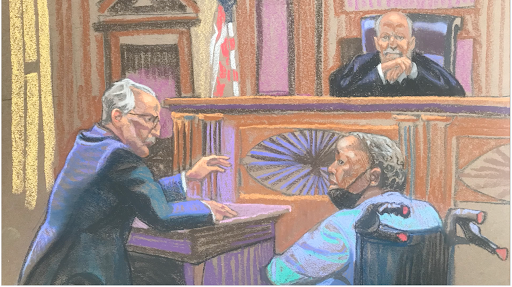
With the help of a wheelchair and canes, 87-year-old Miss Susie Williams Carter — the sister of Alexander McClay Williams – braves a snowstorm to be in court, along with other family members and an attorney, to seek a posthumous exoneration for Alexander, the older brother she never got
to know. The judge ejects her from the courtroom, calling her appeal to reopen a 90-year-old case “a circus.”
Glen Mills School for Boys, Oct. 3, 1930:
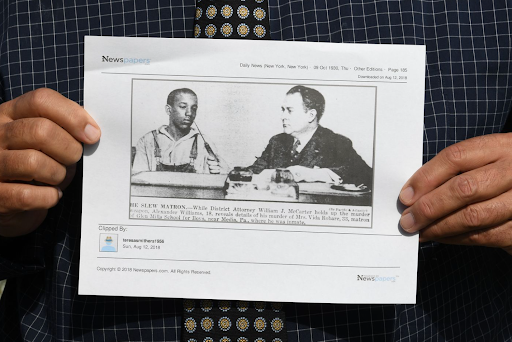
School matron Mrs. Vida Robare is brutally murdered – stabbed 47 times with an ice pick. Having little evidence but faced with mounting public pressure, the police quickly arrest and charge a 16-year-old Black reform school student named Alexander McClay Williams.
Media, Pennsylvania, ca. 1990:
Dr. Sam Lemon, a university professor, seeks to discover why this case haunted his great-grandfather, William Ridley, who was Alexander’s lawyer. It is one of only three cases that Ridley lost in his lifetime.
THE CASE THAT SHOCKED THE COUNTRY
1
A STACKED DECK
Media, Pennsylvania, 1931:
William Ridley, the son of former slaves and the county’s first Black attorney, is assigned to defend Alexander. In addition to an all-white jury and a ten-dollar defense budget, Ridley is denied key pieces of evidence that could help to clear Alexander. These include the victim’s divorce from her husband on grounds of physical abuse, an unidentified bloody handprint, failure to interrogate a female coworker who claimed to know the murderer but was afraid to talk, and an impossible timeframe within which Alexander could have committed the murder. The trial lasts only two days. A guilty verdict is returned in less than four hours and Alexander is sentenced to death in the electric chair.
Present Day:
Sam Lemon’s own investigation leads him to Glen Mills to detail the day of the brutal stabbing. He visits the crime scene and works with investigators and psychologists to retrace the heinous bludgeoning and stabbing of Vida Robare and each step leading to Alexander’s conviction.
His investigation attracts the attention of Delaware County attorney Robert Keller, who helps Sam recover crucial 1930 depositions and transcripts believed to have been lost. Sam is unaware that new allegations of abuse are surfacing at Glen Mills School for Boys.
2

MEDIA, PENNSYLVANIA, 1931:
Within six months of the verdict and despite last-minute attempts to save him, 16-year-old Alexander McClay Williams becomes Pennsylvania’s youngest person ever to die in the electric chair. Officials seal away records of the investigation, determined to bury any trace of
the rushed conviction.
PRESENT DAY:
Despite the pushback, Sam persists with his mission. He locates Miss Susie, Alexander’s last living sibling, who remembers hearing painful family stories of her brother’s wrongful conviction. As they join forces, Sam discovers that Vida Robare’s estranged great-niece, Theresa Smithers, is alive and willing to talk. She shares her family’s suspicions about Vida’s husband, who was known for his violent temper. Theresa believes that she must help Sam and Miss Susie to end a curse on her own family.
Sam unearths recorded evidence of domestic abuse and a 1921 divorce on grounds of extreme physical abuse, as well as a belief that Vida’s husband, Fred, once abused Alexander. Additional evidence — including a coerced confession; discrepancies in testimony and timelines; and no means, motive, or opportunity for Alexander to have committed the crime — convinces Sam that Alexander was unjustly convicted and executed.
As Keller and Sam prepare for a hearing for Alexander, 85 years after his execution, new allegations about abuses at Glen Mills hit the front pages.
3
COVER-UP AND RECONNECTION
MEDIA, PENNSYLVANIA, 2017:
William Ridley, the son of former slaves and the county’s first Black attorney, is assigned to defend Alexander. In addition to an all-white jury and a ten-dollar defense budget, Ridley is denied key pieces of evidence that could help to clear Alexander. These include the victim’s divorce from her husband on grounds of physical abuse, an unidentified bloody handprint, failure to interrogate a female coworker who claimed to know the murderer but was afraid to talk, and an impossible timeframe within which Alexander could have committed the murder. The trial lasts only two days. A guilty verdict is returned in less than four hours and Alexander is sentenced to death in the electric chair.
PRESENT DAY:
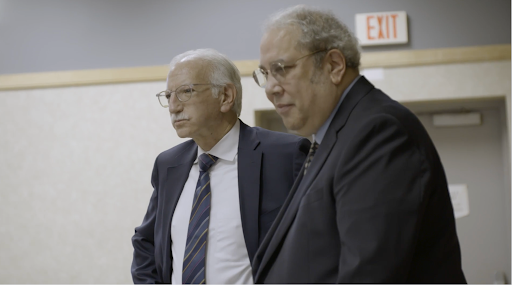
Hearing: In a tense courtroom hearing, Keller — standing alongside Miss Susie, who is now in her late 80s — files for Alexander’s full exoneration. The judge denies the request, dismissing the case as a “circus act.”
Behind closed doors, Keller negotiates a partial expungement — a compromise that leaves Miss Susie disappointed and determined to keep fighting.
The accusations of beatings and other abuses at Glen Mills mount, supported by testimony from current abuse victims, the accused, and experts.
Just as Keller considers stepping back, believing he may have taken the case as far as he could, the COVID-19 pandemic shuts down the courts. The family is forced to wait and wonder if their fight for justice will ever resume.
The state revokes the Glen Mills School’s license, closing the school after 100 years.
THE OTHER SIDE OF THE STORY
4
MEDIA, PENNSYLVANIA, 2022:
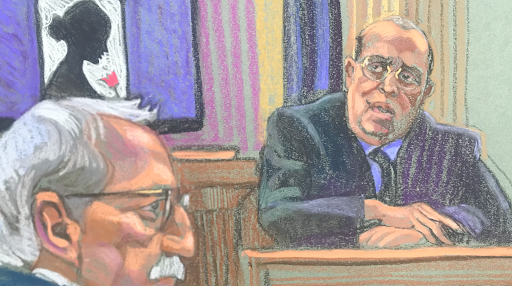
After delays from COVID-19 and the rise of the Black Lives Matter movement, Robert Keller returns to the case. Reflecting on local injustices, Sam, Miss Susie, Keller, and the families present damning evidence of procedural violations and a coerced confession. They argue for Alexander’s exoneration, citing George Stinney Jr.’s precedent. The county’s district attorney—the first Democratic DA elected in Delaware County since the Civil War—listens intently, along with a captivated courtroom.
In a landmark decision, the President Judge of Delaware County grants Alexander a new trial, prompting the DA to dismiss all charges. Alexander McClay Williams is officially exonerated.
The governor’s office pledges a full pardon and public apology to the Williams family.
Cliffhanger: As the family celebrates, they learn Delaware County considers the case closed. While Keller feels his work is done and opts not to pursue reparations, Miss Susie is emboldened. She urges her family to find a new attorney to hold the county accountable for the damage done.
5
REDEMPTION AND EXONERATION
JUSTICE AND ACCOUNTABILITY PRESENT DAY, 2024:
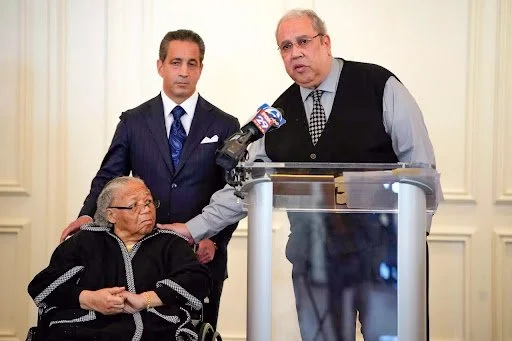
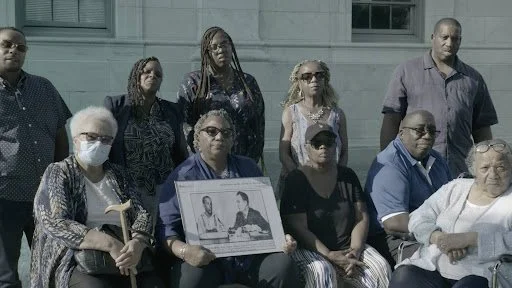
Having finally secured Alexander’s full exoneration, the family holds a press conference. With newly hired attorney Joseph Marrone, they announce a federal lawsuit seeking reparations from Delaware County and the estates of the detectives and prosecutors involved in the 1931 case.
They argue that the county’s decades of silence and obstruction caused irreparable harm to Alexander’s family and others whose lives were shattered by wrongful convictions. The lawsuit ignites a media frenzy, with Delaware County officials decrying the damages demand as “unfair punishment” on a county that tried to make amends.
The case challenges prosecutorial immunity and could open doors for others seeking reparations
for historical injustices—but it might also deter communities from addressing past wrongs for
fear of liability.
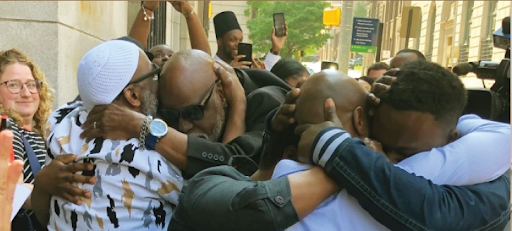
Final Scene 2025: The judge delivers a landmark ruling acknowledging the need for reparations. Miss Susie and her family embrace, tearful yet triumphant. News cameras capture the moment, marking the case as a precedent-setting victory for families wronged by the justice system.
Epilogue: The feature ends with reflections on the courage of ordinary people like Miss Susie and Sam, who brought truth to light and paved the way for others. Alexander’s case stands as a beacon of hope, proving that with determination, historical inequities can be rectified—even decades later.
JUSTICE AND ACCOUNTABILITY
6